
Our nation’s labor laws are broken. A record number of Americans approve of unions, but there’s a tremendous gap between workers who are interested in joining unions and workers who are members of unions (only 5.9 percent in the private sector). Clearly, the law is failing in its ability to transform desire to be in a union into the reality of union representation. The labor movement’s current labor law reform bill, the Protecting the Right to Organize Act, could make a significant difference in terms of closing that gap. But this proposal was first introduced in 2019, and despite passing the House in 2021, it has been stuck in the Senate alongside other transformational reforms.
There are strategies that worker advocates and lawmakers in pro-worker and even anti-worker states can employ to step into gaps left by federal labor law. In pro-worker states, lawmakers can make significant progress on sectoral bargaining efforts, procurement reforms, union partnerships for benefits programs, pathways for funding labor organizations, and democracy reforms that support worker organizing. Pro-worker states could pursue some of these reforms today. Others would be preempted under current law but could be paired with future trigger laws to take effect only if the NLRA is overturned. And to prepare for the latter scenario, worker advocates in anti-worker states could use creative strategies like ballot measures and even pro-worker state policy to shield workers from some of the nearly century-long protections that they would lose. All these reforms are worthy of consideration given the moment that we are in, with workers demanding more say in their workplaces and policymakers searching for ways to make a material difference in people’s lives.
For access to the full article, visit Sage Journals.
ABOUT THE AUTHORS
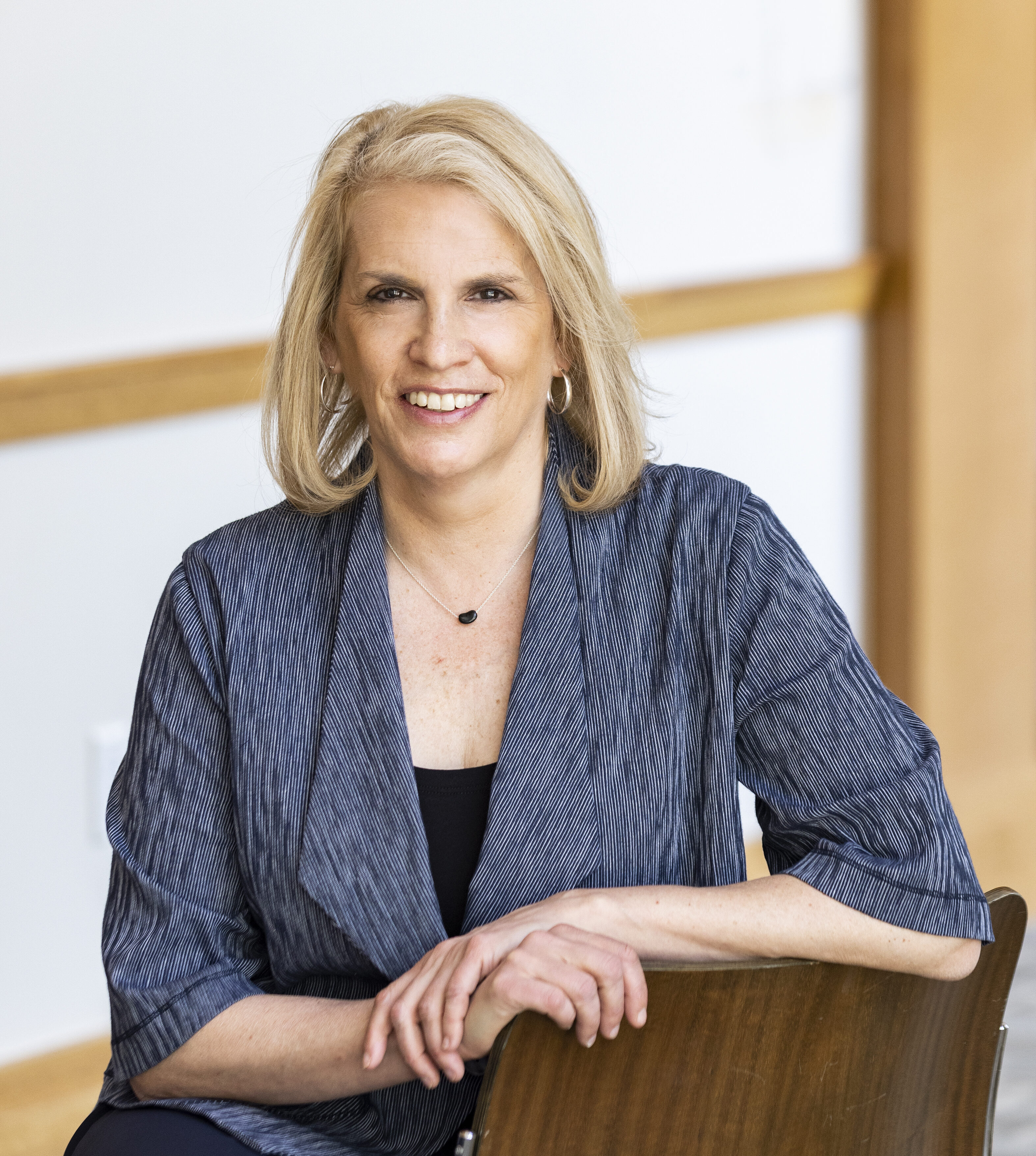
Sharon Block is a professor of practice at Harvard Law School and Executive Director of the Center for Labor and a Just Economy. In 2012, President Obama appointed her to be a member of the National Labor Relations Board.

Rajesh Nayak is a fellow at the Center for Labor and a Just Economy at Harvard Law School and previously served as the Assistant Secretary for Policy at the United States Department of Labor in the Biden administration.
