

Labor and Climate
Across the globe, extreme temperatures and severe heatwaves impact the health and safety of approximately 2 billion workers worldwide, and that threat only grows without proper mitigation. Impacts can range from dizziness to long-term illness to death, and The International Labour Organization (ILO) estimates exposure to extreme heat results in over 22.85 million occupational injuries annually. The issue requires an intersectional, coordinated approach: we must work together across disciplines – including environmental science, public health, urban planning, and labor relations – to adequately address such an urgent and timely need. While changes to protect workers at the federal level are important, they can be subject to delays. State and local actors can play a crucial role in protecting workers and filling gaps in a timely way, and cities in countries from India to South Africa to the United States are developing Heat Action Plans for outdoor and indoor workers alike to help their communities prepare for the worst impacts. As the crisis intensifies, effective, cross-disciplinary research and policy are critical.
NEW RESOURCE: Heat and Worker Safety
In our interactive new resource, check out 12 common myths about heat and worker safety and see what the evidence actually shows.
Know a common misconception about heat and worker safety that’s not listed here? Submit yours at the bottom of the page, and we’ll let you know if it is published.
Harvard Global Health Institute Scholarly Working Group
PROJECT OVERVIEW
In partnership with the Harvard Global Health Institute and the Global Health Institute at Harvard’s T.H. Chan School of Public Health, CLJE has launched a scholarly working group to explore the growing threat of extreme heat on worker health and safety. Focused on addressing global rising temperatures and the research and policy gaps that leave 2 billion workers around the world vulnerable, the working group brings together researchers, government employees, union leaders, and activists, from around the Harvard community and around the world to consider growing climate concerns. Using an interdisciplinary approach, our goal is to develop concrete strategies and policy ideas to protect workers and their livelihoods from the threat of extreme heat. With collaborators from across the globe, the assessment will include:
- State and local initiatives to protect workers from extreme heat;
- Worker heat protections and regulations across major global economies;
- The efficacy and economic impacts of heat adaptation measures such as cool roofs, heat insurance, worker rest breaks and sanitation measures, and flexible work-times;
- Examining national and local approaches, with a special focus on improving protections for informal, migrant, and undocumented workers.
FACULTY LEADS

Sharon Block, JD, Professor of Practice, Harvard Law School and Executive Director at the Center for Labor and a Just Economy, Harvard Law School
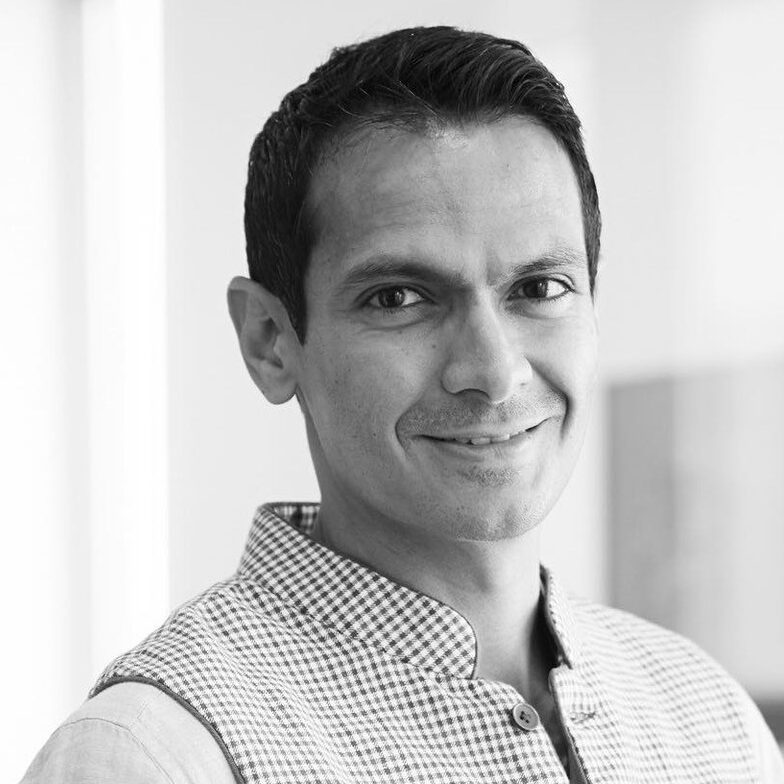
Dr. Satchit Balsari, MD, MPH, Associate Professor, Emergency Medicine, Harvard Medical School and Beth Israel Deaconess Medical Center; Department of Global Health and Population, Harvard T.H. Chan School of Public Health
What are the Harvard Global Health Institute’s Scholarly Working Groups (SWGs)?
The Harvard Global Health Institute’s Scholarly Working Groups are designed to encourage a collaborative environment, promote inter-faculty gatherings, and explore and accelerate research areas in topics critical to the advancement of “Health for All.” Each Scholarly Working Group includes faculty from at least two schools across Harvard University. Through these working groups, we aim to catalyze ideas, inspire the writing of grants, policy briefs, or working papers, or build networks to advance a program of work.
WATCH: Protecting Workers in Heat Action Plans
In this webinar co-sponsored by the Center for Labor and Just Economy at Harvard Law School, The Lakshmi Mittal and Family South Asia Institute at Harvard University, and the Africa Office of the Harvard University Center for African Studies, Sharon Block (CLJE), Zoe Davis (Senior Climate Resilience Project Manager, City of Boston, Massachusetts), Albert Ferreira (Manager of the Resilience and Climate Change Branch, City of Cape Town, South Africa) Rajvi Joshipura (Senior Coordinator of the Self-Employed Women’s Association of India), and Dileep Mavalankar (Distinguished Professor of Public Health and Former Director of the Indian Institute of Public Health Gandhinagar, UC Berkeley), discuss their respective Heat Action Plans and the challenges and the benefits of implementing them.
PUBLICATIONS

California’s Heat Standard And Heat-Related Deaths Among Outdoor Workers

How work, and workers, can influence heat action plans

Quick Fixes to Lock in Wins for Workers: How States Can Preserve New Federal Protections

A Role for State Attorneys General in a Just Transition

Exploratory Principles: Making Progress Together for People and the Planet
Events

Climate Adaptation in South Asia: Insights from the India 2047 Conference

Protecting Workers in Heat Action Plans

Harvard Heads to Climate Week NYC
